

Building a business in Nigeria comes with its own unique set of opportunities and challenges. Entrepreneurs navigate everything from fluctuating exchange rates to unpredictable internet connections, all while trying to capture the attention of a highly vibrant consumer market.
Social media platforms like Instagram, Twitter, and TikTok are fantastic for getting noticed, but relying solely on them means building a business on rented land. Algorithms change, accounts can get flagged, and visibility drops overnight.
This is why building a direct connection with an audience matters more than ever. Email marketing remains one of the most reliable ways to secure sales, nurture leads, and retain customers.
It gives small business owners full ownership of their customer list. When an entrepreneur sends an email, it goes straight to the subscriber’s inbox without an algorithm blocking the view.
Choosing the right platform to manage these conversations can feel overwhelming. Many software options are built for massive companies with giant budgets and complex needs, making them difficult for a growing African business to navigate. The goal is to find a platform that keeps things simple, helps the brand grow, and respects the budget.
Why Email Marketing is Crucial for Nigerian Businesses
Many creators and business owners assume that email is outdated, believing that direct messaging on social media is the only way to sell. However, email campaigns consistently outperform social media when it comes to converting casual browsers into paying customers.
When a brand learns how to start email marketing in Nigeria, it unlocks several major business advantages:
- Complete Control over the Audience: Social media networks own the relationships with followers. An email list is a private asset that can be backed up and moved at any time.
- Higher Conversion Rates: Subscribers have explicitly asked to hear from the business. They are far more likely to buy digital products, book consultations, or order physical goods than a random person scrolling past an online ad.
- Cost-Efficient Scaling: Running paid ads to find new buyers gets more expensive every month. Email allows a brand to reach thousands of existing prospects for a fraction of the cost.
- Personalized Communication: Instead of broadcasting the same message to everyone, businesses can group subscribers based on their specific interests or past purchases, ensuring every message feels relevant.
Key Features Nigerian Entrepreneurs Need to Look For
Before picking an email marketing service, it helps to understand what makes a tool work well within the Nigerian ecosystem. A platform that works perfectly for a tech startup in San Francisco might cause headaches for a fashion retailer in Lagos or an online educator in Abuja.
1. Simple Budgeting and Affordable Pricing
With foreign exchange rates constantly shifting, paying for software in foreign currencies can make monthly business expenses highly unpredictable. Entrepreneurs need tools that offer clear, transparent pricing structures. Options like free starter tiers or pay-as-you-go credits give small business owners the flexibility to scale their costs alongside their actual revenue.
2. Built-in Tools for Lead Capture
You do not need to spend heavily on web developers to build an email list. The ideal email tool should provide ready-to-use opt-in forms and simple landing page templates out of the box. This allows creators to start collecting contact details immediately, even if they do not own a website yet.
3. High Deliverability Rates
An email campaign only works if it actually lands in the inbox instead of getting buried in the spam folder. High deliverability depends on clean server reputations and platforms that follow modern authentication rules. Choosing a tool focused on strong technical backend performance ensures that messages get read.
4. Simple Automation Rules
Small business owners rarely have the time to sit down and manually email every single new subscriber. Automated sequences—often called drip campaigns—allow a business to write a welcome note once and have it send automatically whenever someone joins the list. The setup process for these automations should be clean and visual, not buried under confusing technical jargon.
The Top 5 Email Marketing Tools for Nigerian Entrepreneurs
Here is a detailed breakdown of the five best email marketing platforms available to Nigerian business owners, balancing ease of use, feature sets, and overall value.
1. MailDrip

MailDrip is an email marketing platform built explicitly to remove the friction and complexity that small businesses, creators, and personal brands face with traditional software.
Developed with the unique needs of local and global solopreneurs in mind, it strips away unnecessary bloat to provide a calm, highly productive writing and marketing space.
Key Features:
- Zero Website Required: MailDrip includes high-converting landing pages and customizable opt-in forms directly inside the platform. Users can create a link, share it on social media, and start gathering subscribers immediately.
- Clean Drip Campaigns: Setting up automated email sequences is straightforward. The platform focuses on intuitive layouts so users can build automated sales funnels without needing a marketing degree.
- Flexible Pay As You Go (PAYG) Option: For businesses that do not want to commit to recurring monthly fees, MailDrip allows users to buy email credits that never expire, using them only when they need to launch a campaign.
- Modern, Minimalist Templates: The system provides clean, contemporary layouts that look excellent on mobile phones and desktop viewports, avoiding the cluttered, outdated designs common in older platforms.
- Real Human Support: Instead of dealing with confusing automated chat bots when troubleshooting an issue, users get access to responsive support through chat, email, and WhatsApp.
The Verdict:
MailDrip is ideal for creators, digital marketers, personal brands, and independent business owners who want an effective, clutter-free email tool that drives sales without forcing them to learn complex engineering software.
2. Mailchimp
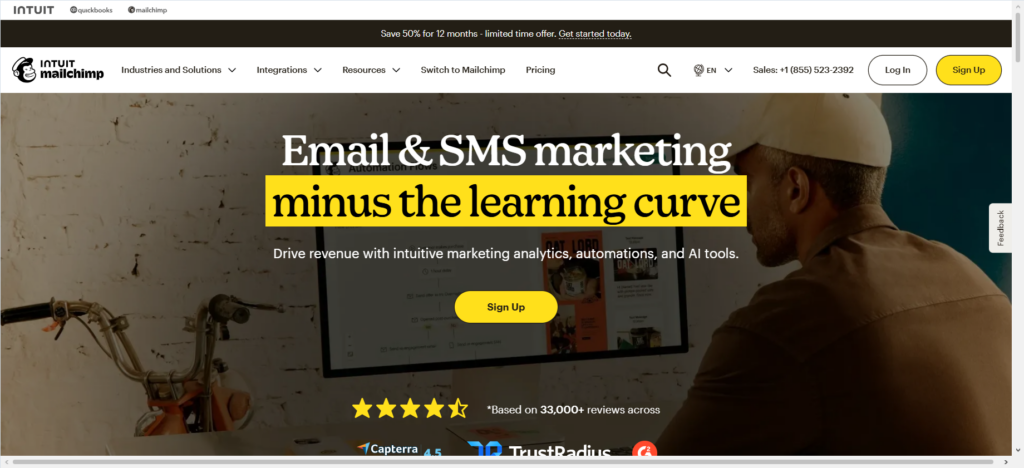
Mailchimp is one of the most recognizable names in the global email marketing space. It offers an all-in-one marketing dashboard that includes email design, social media scheduling, and basic audience management.
Key Features:
- Extensive library of pre-built integrations with e-commerce systems and website builders.
- Detailed reports tracking user clicks, geographic locations, and open statistics.
- Behavioral targeting tools to group audiences by web activity.
Limitations for Nigerian Users:
While Mailchimp is highly powerful, its interface has grown increasingly dense and complicated over the years, leading to a steep learning curve. Furthermore, its pricing structure scales up quickly as your audience grows, and monthly billing is handled strictly in US Dollars, making costs highly vulnerable to currency fluctuations.
3. ConvertKit (Kit)
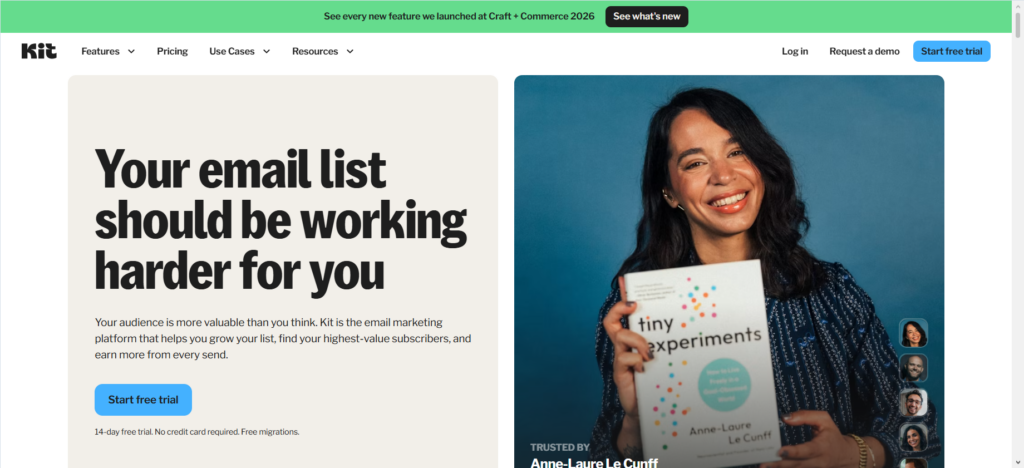
ConvertKit, which has rebranded to Kit, focuses heavily on the creator economy, making it a popular choice for bloggers, authors, and podcasters who share digital content online.

Take Your Emails to the Next Level
MailDrip helps you automate your outreach, nurture leads, and grow your brand with ease. Send the right message at the right time—without the stress.
Sign Up FreeNo Card Required
Key Features:
- Visual automation builders that map out the subscriber journey.
- Tag-based subscriber management system to avoid paying for duplicate contacts across different lists.
- Simple text-focused email editors designed to mimic personal correspondence.
Limitations for Nigerian Users:
Kit is built primarily around subscription-based monthly plans charged in foreign currencies, which can strain the cash flow of a bootstrapped Nigerian business. Its advanced automation tools are excellent but often require a solid understanding of funnel logic to set up properly.
4. Sender
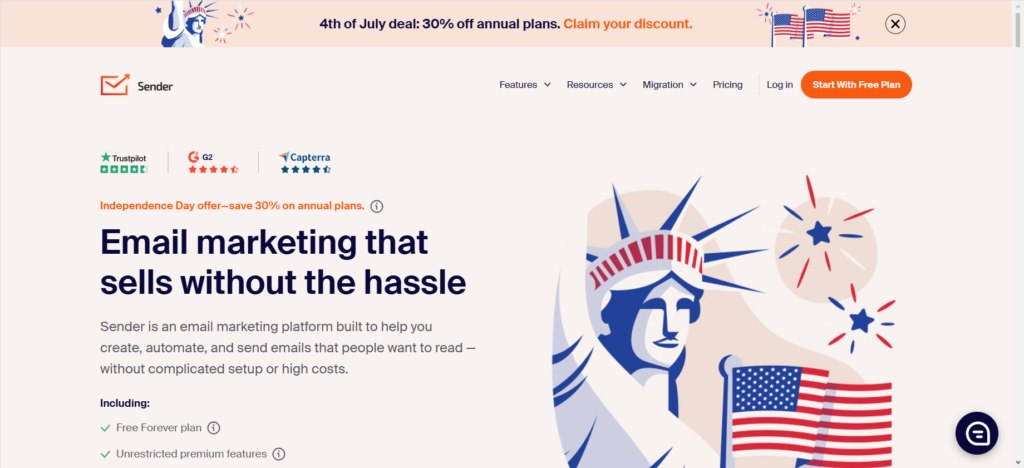
Sender is an email tool designed for small to medium-sized storefronts looking to send promotional newsletters and basic transactional alerts without a large financial investment.
Key Features:
- An easy drag-and-drop newsletter builder for image-heavy layouts.
- Basic automated workflows for abandoned carts and new subscriber welcomes.
- A generous free tier for businesses with smaller subscriber bases.
Limitations for Nigerian Users:
Sender lacks deep, localized support channels within West Africa, meaning users rely primarily on standard email ticketing systems for help. The template customization can also feel somewhat restrictive if you want to break away from standard e-commerce grid styles.
5. GetResponse
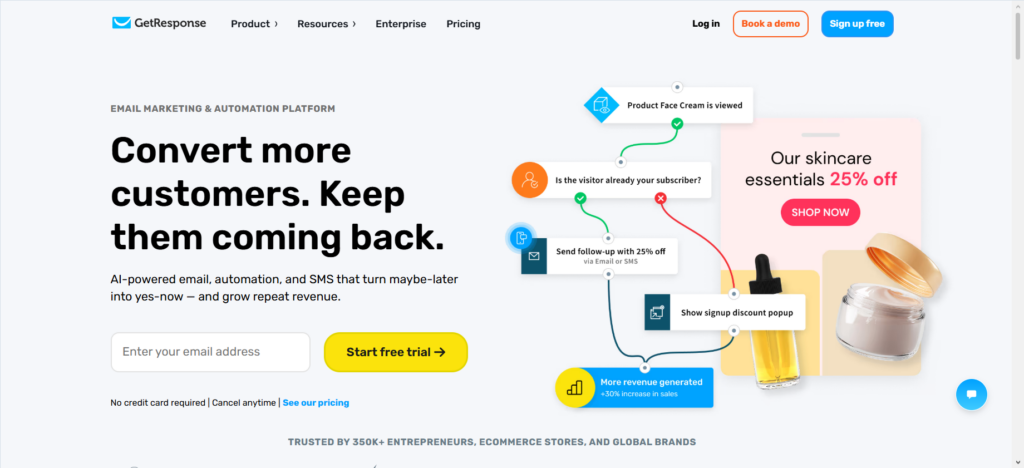
GetResponse positions itself as a comprehensive inbound marketing solution, combining traditional email newsletters with webinar hosting and basic CRM capabilities.
Key Features:
- Native webinar hosting tools built directly into the marketing platform.
- AI-assisted copy generation tools for subject lines and body text.
- Funnel builders designed to sell online courses and training programs.
Limitations for Nigerian Users:
Because GetResponse tries to pack dozens of different tools into a single subscription, the dashboard can feel overwhelming for an entrepreneur who simply wants to write a quick weekly message. The higher-tier plans required to unlock advanced features carry premium price tags.
Comparing the Top Tools at a Glance
| Platform | Best For | Standout Advantage | Pricing Flexibility |
| MailDrip | Creators, Solopreneurs & Digital Marketers | Simple interface, local context, built-in landing pages | Free tier (1,000 emails) + Pay-As-You-Go credits |
| Mailchimp | Established retail brands | Mass integrations with global tools | Strict monthly USD tiers; escalates quickly |
| ConvertKit (Kit) | Professional bloggers and authors | Visual tag-based sorting systems | Monthly subscription models |
| Sender | Basic e-commerce shops | Straightforward drag-and-drop builder | Free tier for low subscriber volume |
| GetResponse | Digital course coaches | Integrated webinar tools | Higher pricing tiers for full feature access |
How to Get Started with Your First Email Campaign
Launching an email strategy does not need to take weeks of preparation. By breaking the process down into manageable actions, a business can go live in a single afternoon.
Step 1: Set Up an Account and Create a Landing Page
Sign up for your chosen platform. If you do not have a company website, open the landing page builder within the dashboard. Create a clean page that clearly explains what your business does and why someone should sign up. Keep the design minimalist so readers can focus on your words.
[Example of a simple landing page layout]
---------------------------------------------------------
|                   Your Brand Logo                     |
|                                                       |
|   Get My Free Guide to Growing a Business in Lagos    |
|   Drop your email below to get weekly insider tips.   |
|                                                       |
|   [ Enter your email address ]                         |
|   Button: Join Free Newsletter                        |
---------------------------------------------------------
Step 2: Create an Incentive (Lead Magnet)
People rarely give away their contact information without a clear reason. Offer a small, valuable piece of content in exchange for their subscription. This could be a downloadable PDF guide, a short checklist, or a discount code for their first purchase. If you need inspiration, look at resources like our guide on how to create a digital product with Canva to build something professional in minutes.
Step 3: Write a Reassuring Welcome Sequence
The moment someone joins your list, they should receive an automated welcome email. Use this message to introduce your brand voice, deliver the free gift you promised, and explain how frequently you plan to email them. Keep your paragraphs short and conversational.
Step 4: Share Your Link Everywhere
Once your setup is complete, copy your landing page URL and add it to your social media bios. Drop the link at the end of your educational posts, share it with your business network on WhatsApp, and encourage your current clients to subscribe.
Frequently Asked Questions
Do I need a professional website to start email marketing?
No. Modern platforms like MailDrip provide standalone landing pages and subscription forms. You can host these pages directly through the email platform and share the link across your social profiles or WhatsApp status.
How often should I send marketing emails to my audience?
Consistency matters much more than high volume. For most small businesses, sending a well-crafted email once a week or once every two weeks is a great sweet spot. It keeps your brand fresh in the minds of your audience without overwhelming their inboxes.
What is a drip campaign and how does it help my business?
A drip campaign is a series of automated emails sent to subscribers on a predetermined schedule. For example, when someone signs up, they receive Email 1 instantly, Email 2 two days later, and Email 3 a week later. This nurtures relationships automatically while you focus on day-to-day operations.
How do I prevent my emails from going into the spam folder?
To maximize deliverability, avoid using overly aggressive sales language or all-caps subject lines. Ensure your subscribers have genuinely opted in, clean your list regularly to remove inactive accounts, and choose an email tool built on stable server architecture.
Simplifying Your Business Growth
Running a business takes immense dedication. Entrepreneurs already balance product sourcing, customer care, and financial planning; they shouldn’t have to battle their software tools as well. Many global email platforms have become overly complex, leaving business owners paying premium rates for technical configurations they will never use.
Email marketing is most effective when it remains simple: an entrepreneur sharing an authentic message that helps a customer solve a problem.
At MailDrip, we rethought email marketing from the ground up. Born in Lagos, Nigeria, out of a desire to eliminate clunky automation systems and rigid foreign pricing, MailDrip provides a calm, intentional space to communicate with your market. With a free tier offering 1,000 free emails and unlimited contacts, plus flexible pay-as-you-go credit options, you only pay for exactly what your business requires.
You do not need more features to succeed. You just need the right ones. If you are ready to stop wrestling with complicated software dashboards and start building automated revenue channels that just work, take a look at our MailDrip pricing options or explore the intuitive features on our MailDrip capabilities page to launch your first campaign today.
What is the single biggest goal you want to achieve with your audience once you have direct access to their inbox?