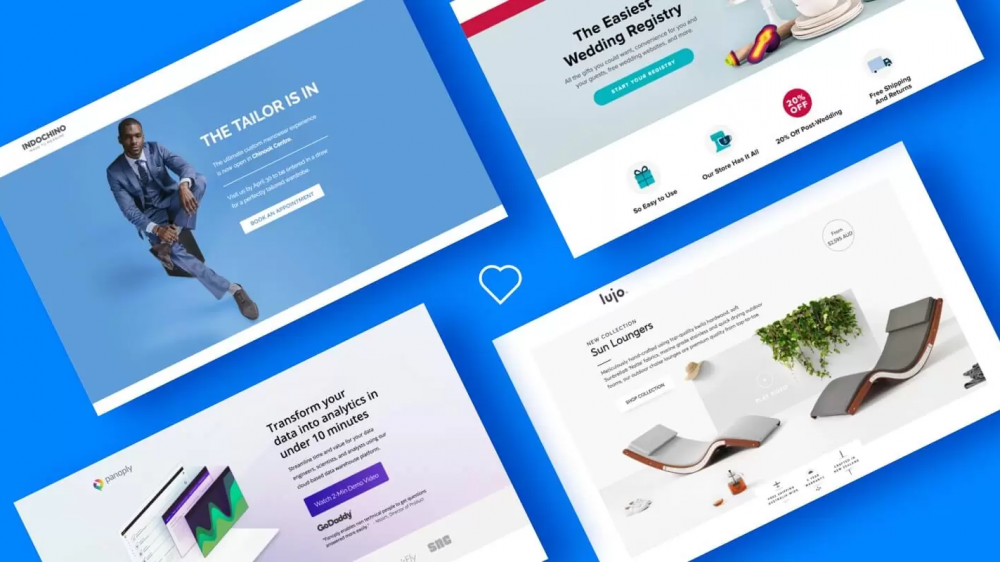
When you set out to build an online presence, start a new business, or launch a digital offer, one crucial question pops up early on: Do I need a full website, or is a single landing page enough?
It is easy to get stuck at this step. Many people assume they cannot launch an idea until they spend weeks or months setting up a multi-page website complete with an “About” section, complex menus, blog categories, and custom code.
However, building a full website takes time, money, and ongoing technical effort. If your primary goal right now is to grow an audience, collect email addresses, promote an upcoming event, or sell an eBook, building a massive site can actually slow you down.
Online attention is valuable, and visitors rarely want to hunt through endless menus to find what they are looking for.
They want fast, clear solutions to their problems. Understanding the differences between a landing page and a website helps you make smart decisions, save resources, and start getting real results without tech headaches.
In this guide, we will break down what landing pages and websites do, highlight their main differences, and help you determine which option fits your immediate goals.
What is a Website?
A website acts as a comprehensive digital home base for your brand or business. Think of it as a main physical office with multiple rooms. When visitors arrive, they can stroll down different hallways, explore various services, read about your company story, check out your portfolio, or contact your support team.
A standard website contains several interconnected pages tied together by a central domain name.
Common pages on a typical website include:
- Homepage: The main front door that introduces your overall brand and guides visitors to different areas of your site.
- About Us Page: A background page that explains your story, mission, team, and company values.
- Services or Products Page: A broad overview showcasing everything you sell or provide.
- Blog Section: A content hub full of articles, guides, and tutorials—much like the MailDrip blog.
- Contact Page: A dedicated page featuring contact forms, physical locations, support links, and phone numbers.
Key Characteristics of a Website
- Multiple Navigation Options: Websites feature top headers, sidebars, and footer menus that allow visitors to click around freely.
- Broad Scope: Instead of focusing on one single action, a website gives readers a complete overview of your entire brand.
- Long-Term Brand Presence: A website is built to build trust over time, establish search engine visibility, and host a wide variety of information.
If you run a multi-service business, a corporate agency, or an online shop with dozens of products, a full website serves as your permanent online foundation.
What is a Landing Page?
A landing page is a single, standalone web page built with one specific objective in mind. Unlike a regular website page, a landing page does not offer visitors a dozens of different paths to take. Instead, it guides every reader toward one specific outcome—known as a Call to Action (CTA).
That single outcome could be collecting email addresses in exchange for a free guide, registering attendees on a dedicated webinar landing page, or selling a standalone digital product.
When a visitor arrives on a landing page, they generally have two choices: take the desired action or leave the page. Because there are no top navigation menus, social media widgets, or side links to pull their attention away, landing pages yield significantly higher conversion rates than standard website pages.
Key Characteristics of a Landing Page
- Laser-Focused Purpose: Every heading, paragraph, image, and button on the page leads directly toward one main action.
- No Distracting Menus: Traditional headers, footers, and side navigation links are removed so visitors stay focused on the offer.
- Targeted Traffic: Landing pages are designed for specific audiences coming from direct sources, such as a social media post, a paid advertisement, or an email link.
Landing Page vs Website: The Core Differences
To decide which option matches your current needs, it helps to compare them side by side across four primary areas: purpose, navigation, traffic source, and setup speed.
1. Primary Goal
- Website: Informs visitors, builds overall brand presence, and lets readers explore your business at their own pace.
- Landing Page: Directs visitors toward one clear action, such as signing up for a newsletter, downloading a resource, or buying a product.
2. Navigation and Layout
- Website: Features top navigation bars, footer links, search bars, and multiple clickable buttons across several pages.
- Landing Page: Eliminates unnecessary links and navigation menus, leaving only the primary call-to-action form or button.
3. Visitor Traffic
- Website: Pulls in traffic organically through search engines, direct links, brand mentions, and casual web browsing.
- Landing Page: Receives targeted traffic from specific sources, such as paid ad campaigns, social media bios, link trees, or promotional emails.
4. Setup and Maintenance
- Website: Demands significant design work, copy writing, structural planning, and continuous updates across multiple pages.
- Landing Page: Quick to design, write, and launch—allowing you to publish an offer and collect leads in a matter of hours.
When Should You Use a Website?
While landing pages excel at conversion, there are distinct times when building a complete website makes sense for your business.
A full website is ideal if:
- You offer a large range of products or services: If you sell dozens of physical items, offer several distinct consulting packages, or manage a digital shop, users need a catalog and navigation structure to browse easily.
- You want to grow search engine traffic over time: A full website allows you to publish consistent blog content and build search visibility (SEO) that attracts visitors over months and years.
- You need to establish detailed business authority: Traditional service providers, agencies, and enterprise businesses rely on full websites to highlight client portfolios, case studies, team profiles, and company histories.
- Your sales process involves research: When prospective clients need to read reviews, explore past work, compare options, and read your story before booking a call, a website gives them the space to do so.
When Should You Use a Landing Page?
For many creators, digital marketers, and solopreneurs, a full website is often far more than necessary at the beginning. A clean landing page gets right to the point and produces faster results.
A landing page is the right choice if:
- You are launching a digital product: When selling an eBook, an online course, a cheat sheet, or a template, a focused landing page keeps the spotlight entirely on your product. You can learn more about how to build a landing page that converts for digital products.
- You are building an email list: Offering a free PDF, video lesson, or email newsletter works best on a clean page where visitors simply enter their email address without distractions.
- You are running ad campaigns: Sending paid ad traffic to a general homepage often wastes money because visitors get lost. Directing ad clicks to a targeted landing page yields a much better return on investment.
- You are hosting an event: Whether you are organizing a live workshop or an online presentation, a dedicated page displays the time, host details, and registration button clearly.
- You are testing a new business concept: If you want to validate a new service or digital item, putting up a simple pre-order page helps you test demand before spending time creating the full product.
Do You Really Need a Website to Get Started?
A persistent myth in online business is that you cannot start collecting leads or selling products until you build a large, perfect website.
This myth creates unnecessary delay. You do not need complex web hosting, custom developer code, or dozens of pages to start building your audience.
If you want to discover how to create a great landing page even if you don’t have a website yet, the secret lies in keeping your setup minimal. Thousands of successful creators run their businesses entirely through social media channels, simple opt-in forms, and dedicated landing pages. In fact, people interested in online promotions frequently ask can I do affiliate marketing without a website—and the answer is yes, because a clean landing page can handle all the lead capture and link redirection you need.

Take Your Emails to the Next Level
MailDrip helps you automate your outreach, nurture leads, and grow your brand with ease. Send the right message at the right time—without the stress.
Sign Up FreeNo Card Required
By bypassing website complexity in the early stages, you eliminate tech frustration. You can write your headline, connect an email sign-up box, and begin sharing your link immediately.
How Websites and Landing Pages Work Together
You do not have to pick one over the other forever. As your business expands, websites and landing pages work hand in hand.
Your website serves as your main hub where people learn about your brand, browse your main pages, and read your content. Your landing pages work behind the scenes as dedicated campaign pages for specific offers.
Here is an example of how they collaborate:
- A reader discovers your business through a blog post hosted on your main website.
- Inside that blog post, you mention a helpful free resource and provide a link.
- Clicking that link opens a standalone, distraction-free landing page designed specifically to collect their email address.
- Once the visitor signs up, an automated email sequence immediately delivers the download and nurtures the relationship.
By keeping general exploration on your main website and focused actions on standalone landing pages, you give visitors the right experience at every step.
Core Elements of a High-Converting Landing Page
Building an effective landing page does not require design expertise or complex code. To ensure your page converts visitors into subscribers or customers, make sure to include these key components:
- A Clear, Outcome-Focused Headline: Tell visitors what problem you solve within seconds. Focus on the main benefit or result rather than feature technicalities.
- Short, Easy-to-Read Copy: Use bullet points, bold phrases, and short paragraphs. Explain what the offer includes, who it is built for, and how it helps.
- An Irresistible Offer: Give readers a compelling reason to take action immediately—such as an insightful free guide, a checklist, a registration spot, or an exclusive discount.
- A Distraction-Free Design: Keep the background uncluttered, use readable fonts, and avoid unnecessary elements that pull attention away from your CTA button.
- A Noticeable Action Button: Make sure your button color contrasts sharply with the page background. Use descriptive text like “Get My Free Guide” or “Join the Newsletter” instead of generic labels like “Submit.”
- Automatic Email Integration: Collecting sign-ups only works if your landing page links directly to an email system that delivers your offer right away and keeps in touch automatically.
Simplifying Your Setup with MailDrip
Juggling landing page software, web hosting accounts, form builders, and separate email platforms can quickly turn into a messy experience.
You end up managing multiple monthly subscriptions, copying embed codes back and forth, and hoping your integrations do not break when someone subscribes.
At MailDrip, we believe email marketing and lead capture should support your business growth—not slow you down. Created in Yaba, Lagos, Nigeria, MailDrip was built specifically for creators, solopreneurs, digital marketers, and personal brands who want straightforward tools without software bloat or hidden fees.
You do not need a complicated website to start collecting emails and selling your products. MailDrip gives you landing pages and opt-in forms directly out of the box, letting you jump straight into growing your brand.
Here is how MailDrip helps you launch effortlessly:
- Built-in Landing Pages and Forms: Create clean, distraction-free sign-up pages without touching code. Connect them directly to your email lists with a few clicks.
- Flexible Email Sending Power: Connect your Gmail account directly to your MailDrip dashboard to safely send up to 500 emails per day for personal use, or expand up to 2,000 emails daily using a business workspace account.
- Automated Drip Workflows: Set up simple automated email sequences that deliver your lead magnets, onboard new subscribers, and share your offers automatically once someone signs up on your landing page.
- Straightforward Pricing Options: Pay only for what fits your business stage. You can use our Pay As You Go (PAYG) credit options, or start with our free plan featuring 1,000 free emails and unlimited contact storage. Explore all options on the MailDrip pricing page.
- Genuine Support From Real Humans: Access 24/7 support through chat, email, and WhatsApp handled by actual people who want you to succeed—no robotic loops or automated runarounds.
To see how MailDrip can help you streamline your marketing setup, feel free to review our full list of MailDrip features.
Frequently Asked Questions
1. Can a landing page completely replace a website?
Yes, particularly if you are just starting out or focusing on one primary product, service, or lead magnet. Many coaches, creators, and marketers run successful businesses using active social media channels alongside targeted landing pages to build their email list and sell their products.
2. Do landing pages rank on Google search results?
Landing pages can rank on search engines if they are optimized with relevant headings, keywords, and metadata. However, because landing pages contain less text and fewer internal links than multi-page websites, most creators promote them directly through social media posts, email outreach, or ad campaigns for faster traffic.
3. Do I need design or coding skills to build a landing page?
No design or coding experience is required. Modern platforms provide clean, visual tools where you simply add your headline, paste your text, set your form fields, and publish.
4. What is the difference between an opt-in page and a sales landing page?
An opt-in landing page features a short form meant to capture basic contact details (like a name and email address) in exchange for a free incentive. A sales landing page focuses on encouraging visitors to purchase a paid product or service, often including detailed feature lists, social proof, testimonials, and checkout buttons.
5. How do I drive traffic to my landing page without a website?
You can share your landing page link across your social media bio links (such as Instagram, TikTok, LinkedIn, or X), include it in video descriptions, share it in online communities, or send traffic through paid ads.
Conclusion
Deciding between a landing page and a website comes down to what you need to accomplish right now. If you want to showcase a wide portfolio, host a multi-category blog, or present a large service organization, a complete website provides the multi-room foundation you need. However, if your current priority is to test a new offer, grow your email subscriber list, sell a digital download, or launch a campaign quickly, a focused landing page gives you speed and higher conversions.
You do not need to spend months setting up complex websites to start growing online. By combining a clean landing page with simple automated email sequences, you can begin reaching people and driving real revenue today.
If you are ready to launch your next idea without the tech friction, visit the MailDrip signup page to create your account and start connecting with your audience for free.
What is the single most important goal your business needs to achieve this week—and could a focused landing page help you get there faster?