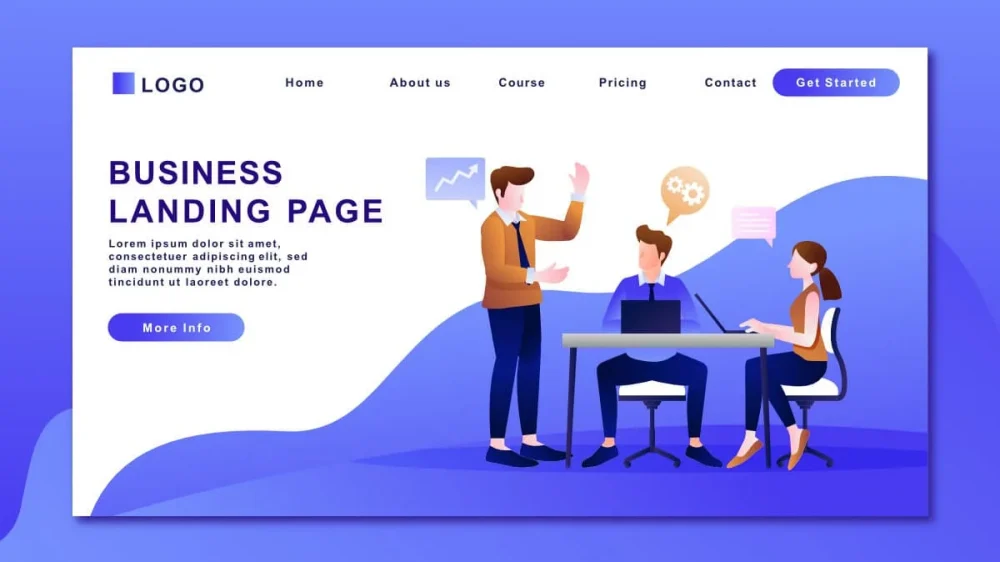
When you’re selling a digital product, your landing page is more than just a pretty design—it’s your storefront, your sales pitch, and your first impression all rolled into one.
A well-structured landing page can mean the difference between someone clicking away after a few seconds and someone becoming a paying customer.
With so much competition online, building a page that actually converts is no longer optional—it’s essential.
The good news? You don’t need to be a designer or a tech expert to build a landing page that works. You just need the right strategy, clear messaging, and a little guidance.
Let’s walk through how to create a landing page that turns curious visitors into loyal buyers of your digital product.
Why Landing Pages Matter for Digital Products
Digital products—like online courses, eBooks, memberships, templates, or apps—are often impulse buys. Unlike physical products, buyers don’t get something tangible to hold, so your landing page has to create confidence and urgency.
A good landing page:
- Grabs attention quickly with a clear headline.
- Explains the value of your product without overwhelming visitors.
- Builds trust with proof, such as testimonials or case studies.
- Guides visitors smoothly toward taking action, like clicking “Buy Now” or “Sign Up.”
Think of it as your digital salesperson. Done right, it works 24/7, even while you sleep.
Key Elements of a High-Converting Landing Page
Here’s a breakdown of what your landing page needs to convert browsers into buyers.
1. A Clear and Compelling Headline
Your headline is the first thing people see—and they’ll decide in seconds if they should keep reading. Make it direct, benefit-focused, and easy to understand.
Instead of:
“Welcome to My Course”
Try:
“Learn How to Launch Your First Digital Product in 30 Days—Without Overwhelm or Tech Headaches.”
The second version instantly communicates the benefit and outcome.
2. A Subheadline That Reinforces the Promise
The subheadline is your chance to expand slightly on the headline, adding clarity or detail. Think of it as a supportive statement that reassures the visitor.
Example:
“Step-by-step guidance designed for busy creators—so you can turn your ideas into income faster.”
3. Engaging Visuals
People process visuals faster than text. Screenshots, mockups, or short demo videos help your digital product feel real. For example, if you’re selling an eBook, show the cover on a tablet. If it’s a course, include a sneak peek of the dashboard.
4. Social Proof and Testimonials
Trust sells. Share testimonials, user reviews, or even data that proves your product delivers results. If you’re just starting out and don’t have reviews yet, showcase your expertise or provide a sample preview.
5. A Benefit-Focused Product Description
Here’s the mistake many people make: listing features instead of benefits. Features are what your product is. Benefits are what your customer gets.
- Feature: 20 video modules.
- Benefit: Learn the exact steps without wasting time figuring it out alone.
Your copy should always focus on the transformation your product creates.

Take Your Emails to the Next Level
MailDrip helps you automate your outreach, nurture leads, and grow your brand with ease. Send the right message at the right time—without the stress.
Sign Up FreeNo Card Required
6. A Strong Call to Action (CTA)
Your CTA should stand out visually and use clear, persuasive language. Avoid generic buttons like “Submit” or “Click Here.” Instead, try:
- “Start Learning Today”
- “Get Instant Access”
- “Unlock Your Templates”
Keep it action-driven and benefit-oriented.
7. Simple, Distraction-Free Layout
Clutter kills conversions. Every element on your landing page should have one goal: guiding visitors toward your CTA. Minimize links, sidebars, and unnecessary text. A clean layout with plenty of white space keeps attention where you want it.
8. Mobile-Friendly Design
More than half of web traffic comes from mobile devices. If your landing page isn’t optimized for mobile, you’re losing sales. Make sure text is easy to read, images load quickly, and buttons are easy to tap.
Tips to Increase Conversions Even Further
Once the foundation is in place, small tweaks can dramatically improve results.
- Use urgency and scarcity: Limited-time offers or bonuses encourage quicker action.
- Add FAQs: Addressing objections directly can remove hesitation.
- Test your CTA placement: Try putting one above the fold and another at the end of the page.
- Highlight money-back guarantees: Reduces buyer risk and builds trust.
- Integrate email follow-ups: Not everyone will buy right away, so use an email sequence to nurture leads.
This last point is especially important. Even the best landing page won’t convert every visitor. That’s why capturing emails and following up with automated drip campaigns can multiply your sales over time.
How MailDrip.io Helps You Convert Visitors Into Customers
Building a landing page is step one. Step two is making sure people who don’t buy right away don’t disappear forever. That’s where MailDrip.io comes in.
Our platform makes it simple to:
- Set up automated drip campaigns that nurture your leads.
- Schedule emails to go out daily, weekly, or monthly.
- Use ready-made templates to save time.
- Pay only for what you send with our Pay As You Go option.
This means you can focus on creating a powerful landing page while MailDrip.io works behind the scenes, turning “maybe later” visitors into paying customers.
FAQs
How long should my landing page be?
There’s no one-size-fits-all answer. For simple digital products, a shorter page with a clear CTA works best. For higher-ticket items, a longer page with testimonials, case studies, and detailed explanations can help build trust.
Do I need a separate landing page for each product?
Yes. Each product deserves its own focused page. Mixing multiple offers on one page can confuse visitors and lower conversions.
Should I hire a designer to create my landing page?
Not necessarily. Tools like page builders and templates make it easy to create a professional-looking page on your own. Focus more on the copy and structure than fancy design.
How do I know if my landing page is working?
Track metrics like conversion rate (how many visitors turn into buyers), bounce rate (how quickly people leave), and email sign-ups. A/B testing different headlines or CTAs can also help you improve results.
Can I build a landing page without coding skills?
Absolutely. Many platforms let you build drag-and-drop landing pages with no coding required. Focus on your message and offer—the tools will handle the rest.
Final Thoughts
A high-converting landing page doesn’t have to be complicated. Focus on clarity, benefits, trust-building, and a strong call to action.
Pair it with smart email automation, and you’ll create a system that not only attracts customers but also nurtures them into long-term buyers.
The question now is: what story will your landing page tell about your digital product—and will it be strong enough to inspire action?
If you’re ready to capture more leads and sell more digital products, give MailDrip.io a try. It’s the simplest way to connect your landing page with automated email campaigns that convert.