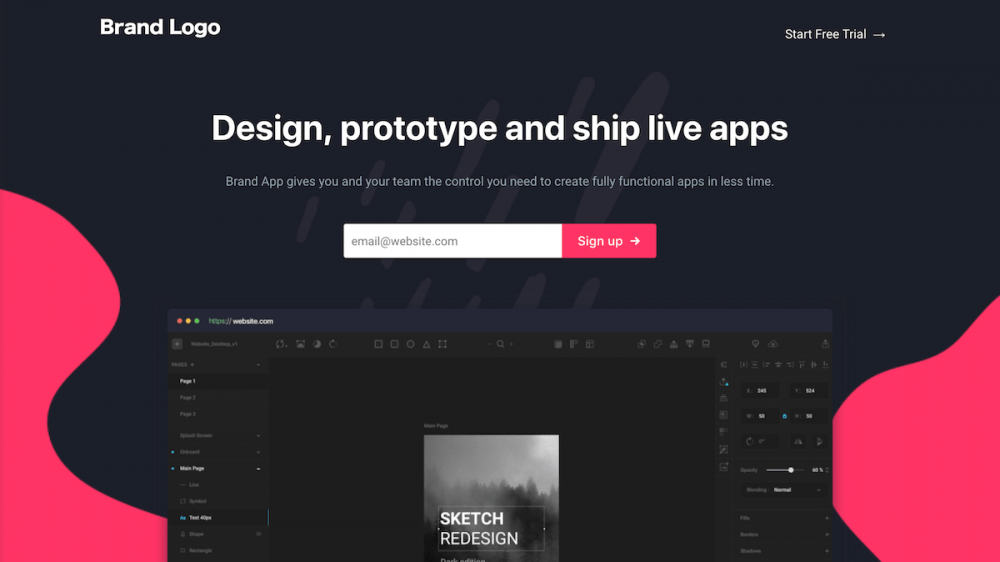
Setting up a marketing campaign can feel exciting until you notice that visitors are clicking your links but leaving without buying or signing up. You spent time crafting great ads, writing social posts, or setting up email blasts, yet the results are disappointing.
More often than not, the problem is not your traffic or your product. The problem is your landing page. Specifically, using the wrong type of landing page for your specific goal.
Online audience attention is shorter than ever. Ads cost money, and social media algorithms change constantly. Relying on a standard website homepage to convert traffic is no longer effective. You need dedicated pages built for one clear purpose.
Two main landing page styles dominate digital marketing: click-through landing pages and lead generation landing pages. While both aim to convert visitors, they work in completely different ways and serve different stages of your customer journey.
Understanding how these two pages differ will help you choose the right setup, save ad budget, and convert more visitors into loyal customers.
What Is a Click-Through Landing Page?
A click-through landing page acts as a bridge between your advertisement or email and your final destination, which is usually a checkout page, pricing screen, or main offer.
Unlike a typical web page that has multiple navigation menus, links, and footers, a click-through page has just one goal: to warm up the visitor and persuade them to click a button that takes them to the next step.
Why not send traffic straight to the checkout or sales page? Because asking someone to buy immediately often creates friction. People want to understand what they are getting, see the benefits, read social proof, and feel confident before opening their wallets. A click-through page prepares the buyer so that by the time they reach the sales or checkout page, they are already convinced.
Core Features of a Click-Through Page
- Persuasive Headline: Focuses on the main transformation or primary benefit of the offer.
- Engaging Visuals: Showcases high-quality images, product screenshots, or short videos.
- Detailed Benefits: Explains how the product solves a specific problem in simple terms.
- Social Proof: Includes customer testimonials, star ratings, or trust badges.
- Single Call to Action (CTA): Features a prominent button like “Get Started Today,” “Claim Your Discount,” or “Try Free for 14 Days.”
When to Use a Click-Through Landing Page
Click-through pages work best when you are promoting e-commerce products, software free trials, affiliate products, or high-ticket services where visitors need education before making a financial commitment.
If you sell digital items, learning how to build a landing page that converts for digital products gives you an advantage by aligning your messaging directly with what buyers care about most.
What Is a Lead Generation Landing Page?
A lead generation landing page (often called a lead gen page or opt-in page) has a completely different purpose. Instead of pushing for an immediate sale, its sole goal is to collect visitor information, such as names, email addresses, phone numbers, or job titles.
To get people to share their personal information, lead gen pages use a value exchange. You offer something valuable for free—known as a lead magnet—and in return, the visitor gives you their email address.
Once you have their contact details, you can send targeted email messages over time to build trust, share helpful content, and eventually pitch your products or services.
Core Features of a Lead Generation Page
- Clear Headline: Explains exactly what the visitor receives when they sign up.
- Valuable Offer: Presents a downloadable PDF, checklist, cheat sheet, template, free course, or event registration.
- Short Opt-In Form: Asks for minimal details (usually just a first name and email address) to reduce effort.
- Supporting Bullet Points: Outlines three to four key takeaways the subscriber will gain.
- Direct CTA Button: Features clear button text like “Send Me the Free Guide” or “Register Now.”
When to Use a Lead Generation Landing Page
Lead gen pages are essential whenever you want to grow your email subscriber list, host live events, offer free consultations, or nurture leads over time.
For instance, if you plan to host an online workshop, creating a dedicated webinar landing page allows you to collect registrations and seamlessly send automated reminder emails before the session starts.
Key Differences Between Click-Through and Lead Generation Pages
To pick the right tool for your campaign, let’s examine how these two pages compare across critical marketing factors.
1. Primary Goal and Purpose
- Click-Through Page: Focuses on driving immediate action, such as visiting a checkout page or starting a software trial. The goal is moving the buyer further down the sales funnel right now.
- Lead Generation Page: Focuses on capturing customer contact data. The goal is starting a relationship that you can monetize later through regular email communication.
2. Form Presence and Data Collection
- Click-Through Page: Contains no form fields at all. It relies entirely on clickable call-to-action buttons.
- Lead Generation Page: Always contains at least one web form where users enter their contact details.
3. Level of User Friction
- Click-Through Page: Has low initial friction because clicking a button requires minimal effort. However, the step after the click (buying a product) requires financial commitment.
- Lead Generation Page: Requires users to hand over private contact details. While free, asking for personal data creates a privacy hurdle, so the offer must feel valuable enough to justify the trade.
4. Placement in Your Marketing Funnel
- Click-Through Page: Usually sits in the middle or bottom of your funnel. It targets users who already know about their problem and are evaluating a specific solution.
- Lead Generation Page: Typically sits at the top or middle of your funnel. It targets broad audiences who want quick answers, free resources, or helpful guides.
5. What Happens After the Click
- Click-Through Page: Clicking the CTA button redirects the user to an order form, payment gateway, or external sales page.
- Lead Generation Page: Submitting the form redirects the user to a thank-you page while triggering an automated welcome email or drip campaign behind the scenes.
How to Choose the Right Page for Your Current Goal
To make this distinction practical, let me break down common scenarios so you can pick the exact landing page type for your current marketing campaign.
Scenario A: You are selling a digital product or online course directly.
If you are pitching warm traffic (like existing social media followers), a click-through page allows you to detail your course curriculum, show reviews, highlight bonuses, and send visitors straight to checkout.
However, if your audience is completely cold, asking them to buy immediately on a click-through page might lead to low conversion rates. In that case, starting with a lead generation page that offers a free sample chapter or cheat sheet will build the necessary trust first.
Scenario B: You are running paid ads on Facebook or Google.
Running paid ad traffic directly to an expensive product page often leads to high ad spend with few sales. A smarter approach is running ads to a lead generation page offering a free downloadable guide. Once the lead enters your email system, an automated sequence turns that cold lead into a paying customer over a week or two.
Scenario C: You are an affiliate marketer.
Affiliate networks often prohibit sending paid ad traffic directly to affiliate links. A click-through page serves as a review or comparison page that pre-sells the product before directing users through your affiliate link.
Scenario D: You are building a brand without a website.
If you do not own a website yet, you might think you cannot build landing pages. That is a common myth. You can easily learn how to create a great landing page even if you don’t have a website yet. Using simple platforms, you can publish opt-in pages or click-through pages in minutes without touching code.

Take Your Emails to the Next Level
MailDrip helps you automate your outreach, nurture leads, and grow your brand with ease. Send the right message at the right time—without the stress.
Sign Up FreeNo Card Required
Practical Design Tips for High-Converting Landing Pages
Regardless of which landing page type you choose, applying clean design practices keeps visitors engaged and boosts your conversion rate.
1. Keep Your Messaging Simple and Focused
Do not confuse visitors with multiple offers or off-topic information. If your page promotes a free ebook, talk only about that ebook. Remove standard navigation menus, sidebar links, and footer navigation that give visitors an excuse to leave without taking action.
2. Focus on Benefit-Driven Headlines
Your headline is the first thing people read. Make sure it states a clear benefit rather than a generic statement. Instead of writing “Welcome to Our Newsletter,” write “Get 5 Practical Tips to Double Your Email Sales Every Week.”
3. Use Clean Visual Layouts
Break your copy into short paragraphs, bullet points, and bold headers. Use plenty of white space so the page looks uncluttered. Mobile optimization is also critical, as more than half of your visitors will view your page on a mobile device.
4. Optimize Call-to-Action Buttons
Your CTA button should stand out visually on the page. Use contrasting colors that draw the eye, and write descriptive button text that tells users what happens next. Applying proven landing page tips for increased conversion ensures your layout guides visitors smoothly toward taking action.
Connecting Your Landing Page to Email Automation
A landing page is only half of the conversion puzzle. What happens after someone signs up on your lead generation page or clicks through your offer?
If you collect a lead and let them sit in a database without following up, that lead quickly goes cold. To turn landing page visitors into long-term customers, you need a reliable follow-up system.
This is where automated lead nurturing comes into play. Once a visitor completes your opt-in form, an automated drip campaign should immediately send them their requested free download, introduce your brand, and share helpful insights over the coming days.
At MailDrip, we built our platform around this exact need. Born in Yaba, Lagos, through Charisol Limited, MailDrip was designed specifically for creators, solopreneurs, digital marketers, and personal brands who want straightforward results without technical clutter or bloated software.
Instead of forcing you to piece together expensive third-party tools, MailDrip gives you landing pages and opt-in forms straight out of the box. You do not even need a website to get started.
Here is how MailDrip makes landing pages and email marketing simple:
- Out-of-the-Box Landing Pages: Create clean, high-converting opt-in pages and forms directly inside your dashboard without writing code.
- Seamless Gmail Integration: Connect a personal Gmail account to send up to 500 emails per day, or connect a business workspace account to send up to 2,000 emails per day directly from your dashboard.
- Automated Drip Workflows: Build hands-off sequences that deliver lead magnets, nurture subscribers, and promote your offers automatically. Learn how automated lead nurturing turns casual subscribers into loyal buyers.
- Transparent Pay As You Go Pricing: Avoid unwanted monthly commitments. Buy email credits when you need them, or use our free plan featuring 1,000 free emails with unlimited contacts. Check out our pricing page to see how flexible email marketing can be.
- Honest Human Support: Get 24/7 assistance via chat, email, and WhatsApp from real humans who want to help you succeed.
Whether you want to explore built-in features or read strategic advice on our blog, having a simplified tool allows you to focus on writing great content and closing sales rather than fighting complicated software.
Frequently Asked Questions (FAQs)
Can a single landing page serve as both click-through and lead generation?
It is best to pick one primary objective per page. Combining a long lead collection form with multiple outbound sales buttons confuses visitors and lowers your overall conversion rate. If you want to capture leads and sell a product, use a two-step approach: collect the lead first on a lead generation page, then redirect them to a click-through sales page on the thank-you screen.
Do I need a website to build landing pages?
No, you do not need a full website to launch landing pages. Modern platforms allow you to build standalone landing pages hosted directly on their servers. Tools like MailDrip provide clean opt-in forms and landing page capabilities so you can collect emails and run campaigns without paying for extra web hosting or complicated page builders.
Which landing page type gets higher conversion rates?
Lead generation landing pages generally achieve higher conversion percentage rates than click-through pages because offering a free resource requires lower commitment than asking someone to spend money. However, actual conversion rates depend heavily on traffic quality, offer clarity, and audience interest.
How long should my landing page copy be?
The length of your copy depends on the complexity of your offer. If you are offering a simple free PDF on a lead generation page, keep the copy short and focused. If you are using a click-through page to promote an expensive service or software, longer copy with detailed benefit breakdowns, testimonials, and FAQs helps address visitor objections.
How many fields should I include on my lead gen form?
Keep your opt-in form as brief as possible. Asking for just a first name and email address yields the highest sign-up rates. Only add extra fields, such as phone numbers or company names, if qualifying leads is more important to your sales process than total sign-up volume.
Conclusion
Choosing between a click-through landing page and a lead generation landing page comes down to your immediate goal. If you want to educate visitors and send them straight to a checkout or trial, a click-through page is your best tool. If your goal is building an audience, capturing email addresses, and nurturing relationships over time, a lead generation page is the clear winner.
When you pair clear landing pages with simple, automated email workflows, growing your brand becomes a predictable process rather than a guessing game.
Ready to launch simple landing pages and automated email campaigns without the technical stress? You can log into your MailDrip dashboard or create a free account today at MailDrip Sign Up to see how simple email marketing can be.
Which type of landing page fits your immediate business goals best right now, and what offer will you share with your audience first?