
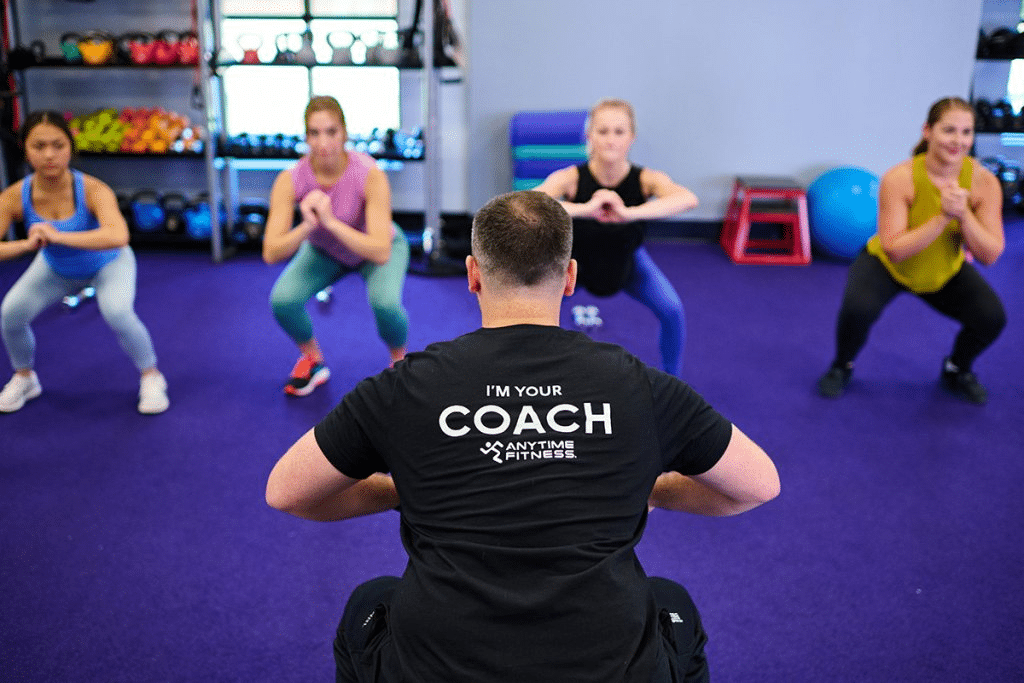
Fitness coaching has experienced a permanent shift. Personal trainers are no longer bound to local gym floors, trading hours for dollars, or competing for open equipment slots.
Moving a fitness practice online opens up global client reach, flexible work scheduling, and a sustainable recurring revenue model built on authentic client transformations.
If you possess a genuine passion for movement, nutrition, and guiding people toward healthier lives, starting an online coaching business is one of the most rewarding career choices available today.
The demand for remote health guidance continues to climb because busy professionals, stay-at-home parents, and targeted athletes prefer customized exercise programs that seamlessly fit into their schedules.
Building a digital coaching business can feel overwhelming if you assume you need complex technical skills or millions of social media followers.
The reality is far more straightforward: success comes from combining verified training knowledge, a well-defined audience, and simple communication systems that convert interested visitors into long-term coaching clients.
Step 1: Secure Your Accreditation and Legal Safety
Before accepting payments or sharing workout schedules with clients, establishing a credible foundation is non-negotiable. Having legitimate qualifications protects both your brand and the physical safety of the people you coach.
Earn a Recognized Certification
Clients who hire you remotely cannot meet you in person first, making recognized credentials essential trust signals. Reputable certifying bodies such as the National Academy of Sports Medicine (NASM), the American Council on Exercise (ACE), or the International Sports Sciences Association (ISSA) provide structured knowledge in functional movement, exercise programming, and human anatomy. Completing an accredited program ensures you design workouts rooted in safety and proven exercise science.
Respect Scope of Practice
As an online fitness coach, your responsibility covers physical conditioning, movement instruction, lifestyle habit support, and general healthy eating guidelines. Unless you carry formal licensing as a registered dietitian or medical practitioner, avoid diagnosing health conditions, prescribing medical treatments, or designing rigid clinical meal plans. Operating cleanly within your professional boundaries safeguards your business and keeps your clients safe.
Secure Professional Insurance
Transitioning online does not remove physical risk or liability. Obtain a comprehensive fitness liability insurance policy that explicitly includes remote coaching, asynchronous video form reviews, and digital check-ins. Most insurance providers offer affordable monthly plans tailored specifically for online personal trainers.
Step 2: Define a Specific Fitness Niche
Trying to market your coaching to everyone is one of the most common mistakes new trainers make. When your message targets the general public, your offer becomes generic, making it difficult for anyone to feel like your program was created specifically for them.
Selecting a clear niche allows you to focus your educational content, design efficient workout templates, and charge rates that reflect specialized expertise.
Examples of Profitable Niche Focuses
Strength and core restoration for mothers returning to exercise post-childbirth.
Functional posture correction and strength routines for remote software engineers and desk workers.
Hypertrophy and strength development for drug-free amateur bodybuilders.
Mobility and joint health programs for active adults over fifty.
Reflect on your personal background, the workouts you enjoy leading most, and the specific problems you have solved in your own fitness journey. When you speak directly to the daily challenges of a specific group, potential clients pay attention.
Step 3: Structure Your Offers and Pricing
Online coaching provides far more flexibility than traditional sixty-minute gym sessions. Instead of selling hours, you sell accountability, direction, and structured outcome systems.
Primary Coaching Delivery Models
One-on-One High-Touch Coaching: This is your flagship premium offer. It includes custom workout programming, weekly asynchronous video analysis of exercise technique, ongoing habits tracking, and direct text messaging access.
Small Group Cohorts: A timed program (such as an eight-week fat loss or strength challenge) where a group of clients follows a similar framework together. This lowers the entry price for clients while maximizing your earnings per hour worked.
Self-Paced Digital Guides: Standalone workout PDFs or video courses meant for self-directed lifters. These generate passive revenue but require steady website traffic to produce high sales volume.
Transitioning to Recurring Monthly Pricing
Avoid selling individual workout sessions or small pay-per-use packages. Instead, charge a monthly recurring membership fee for your high-touch coaching. Monthly billing gives your business predictable income while encouraging clients to stay committed long enough to achieve sustainable physical results. High-touch online fitness coaching generally ranges between $150 and $500 per month depending on your level of support and niche authority.
Step 4: Build a Simple, Low-Friction Tech Stack
You do not need complicated, expensive software platforms to launch your coaching practice. In fact, keeping your technology simple helps your clients focus on moving weights and logging habits rather than struggling with an unfamiliar app interface.
Core Tools You Need on Day One
Intake and Onboarding: Use simple online forms to collect medical background, exercise history, gym equipment access, and primary fitness goals.
Workout Delivery: Share clean, organized cloud spreadsheets or simple workout logs where clients can record sets, reps, and target weights.
Form Feedback: Have clients record 10-second video clips of their heavy lifts from a side angle. You can send quick screen-recording commentary or short voice messages back with actionable form corrections.
Client Communication: Establish structured weekly check-in days using short review forms to track sleep quality, stress levels, energy, and workout adherence.
Step 5: Build an Owned Audience Through Email Marketing
Social media sites like Instagram, YouTube, and TikTok are useful channels for demonstrating proper lifting technique, posting client transformation stories, and sharing short fitness tips. However, relying solely on social media algorithms leaves your business vulnerable. Algorithm updates can instantly reduce your content’s reach, hiding your business from potential clients.
Building an email list gives you full ownership over your communication network. Email provides a direct, distraction-free channel where you can educate prospects, build deep authority, and invite subscribers to apply for your coaching programs.
How to Collect Coaching Leads
To convert casual social media viewers into prospective clients, offer a valuable free resource (known as a lead magnet) in exchange for their email address.
Effective lead magnet ideas for fitness coaches include:
A 5-day home dumbbell workout routine.
A beginner’s guide to calculating daily protein and calorie targets.
A mobility checklist for relieving lower back tightness after sitting.
Design a clean, distraction-free landing page where visitors can request your free guide. If you want inspiration on building pages that turn visitors into subscribers, check out this guide on how to create irresistible email opt-in forms as a creator.
Step 6: Automate Your Lead Nurturing with Email Sequences
When someone downloads your free workout guide, they are paying close attention to your fitness advice. Manually sending individual emails to every new lead takes up valuable coaching time, which is why setting up automated email sequences is so powerful.
An automated drip sequence delivers helpful messages on a schedule you choose, guiding new subscribers from initial interest to booking a coaching consultation call.
A Simple 5-Email Welcome Sequence for Coaches
Immediate Delivery: Deliver the free downloadable workout guide immediately and introduce your overarching fitness philosophy.
Value and Education: Share a common fitness myth relative to your niche (e.g., why doing hours of daily cardio might be stalling muscle growth).
Social Proof: Share a real client transformation story detailing the client’s starting point, the obstacles overcome, and the physical outcome achieved.
Actionable Wisdom: Teach a simple habit tweak, such as how to improve daily sleep recovery or prepare protein-rich lunches in fifteen minutes.
The Soft Invitation: Invite subscribers to apply for your monthly 1-on-1 coaching program, including a link to your intake form.
Managing these communications does not require complicated, bloated software or high monthly fees. Using a tool like MailDrip strips away tech friction completely. You can connect a personal Gmail account directly to safely send up to 500 daily emails, or upgrade to a business workspace to handle up to 2,000 emails per day directly from your dashboard.
With clean templates and simple scheduling, MailDrip lets you set up email automation workflows so your client pipeline runs smoothly on autopilot while you focus on programming workouts.
Step 7: Deliver Exceptional Service and Drive Word-of-Mouth Referrals
Acquiring new clients is important, but keeping them engaged for six to twelve months builds long-term business stability. Word-of-mouth recommendations from thrilled clients remain one of the most effective sources of new coaching applications.
Best Practices for Client Retention
Set Clear Onboarding Expectations: Provide new clients with a simple onboarding doc explaining how to submit technique videos, when check-in responses are delivered, and where to ask daily questions.
Personalize Video Check-Ins: When reviewing a client’s weekly progress, record a two-minute personal video message. Hearing your voice, seeing your enthusiasm, and receiving clear feedback fosters a strong personal bond despite the distance.
Celebrate Non-Scale Wins: Draw attention to improvements beyond body weight, such as increased lifting strength, better energy levels throughout the workday, or improved consistency.
Systematically Collect Testimonials: When a client reaches a major milestone, ask permission to share their feedback. Written reviews and visual before-and-after photos build undeniable social proof for your brand.
Frequently Asked Questions (FAQs)
Do I need a large social media following to get online fitness clients?
No, you do not need tens of thousands of followers to run a profitable coaching practice. A small, focused audience of 200 engaged email subscribers who fit your exact target profile will generate significantly more paying clients than thousands of passive viewers. Direct communication through email marketing converts prospects far more effectively than broad social posts.
How do I check a client’s exercise form without being there in person?
Ask your clients to film short 10-second exercise sets using their smartphones placed at waist height from a 45-degree or side angle. You can review these clips asynchronously, pause the footage, and record a quick video breakdown showing where they can adjust their stance, movement speed, or positioning.
Do I need a website before taking on my first online client?
Having a multi-page website is not mandatory when starting out. You can land your first coaching clients using a clear social media profile, a clean opt-in landing page for your lead magnet, a simple application form, and an email automation tool. You can review MailDrip’s features to see how easy it is to collect leads and communicate professionally without complex site builds.
Can I manage my coaching email marketing using a basic Gmail account?
Yes, you can seamlessly connect your existing Gmail address directly to MailDrip to send personalized email sequences. This setup supports personal outreach of up to 500 emails per day. As your client roster grows, you can expand your limit up to 2,000 daily messages using a business workspace without changing your workflow.
Launching Your Online Fitness Coaching Business
Building a successful online fitness coaching business does not require complicated sales tactics or dense marketing software. By securing valid credentials, choosing a defined niche, delivering simple exercise programs, and staying connected with your audience through email, you can build a sustainable practice doing what you love.
Taking control of your client communications gives you peace of mind as your brand grows. You can view flexible pricing plans on MailDrip to find an option that matches your current stage—including a free plan that gives you 1,000 free emails and unlimited contact storage so you can launch without upfront risk.
If you are ready to organize your client outreach, explore actionable tips on the MailDrip blog or log into your MailDrip dashboard today to create your very first automated welcome sequence.
What specific health goal or fitness transformation are you most excited to help your very first online client achieve?
