Most business owners know the sting of launching an opt-in page only to watch new subscribers sit quietly on a list, never opening a second message, and never buying a thing. You spend hours writing a free checklist, tweaking the design, and sharing the link across social platforms. People sign up, but the momentum dies right there.
That disconnect happens when an opt-in page is built as a lonely island instead of a working doorway.
Relying solely on social algorithms to build a sustainable business is risky. Platforms change their rules overnight, reach fluctuates without warning, and you do not own the connection you have with your followers. An email list gives you direct access to the people who care about what you do. However, gathering email addresses without a clear journey behind them is just collecting digital dust.
To turn casual visitors into paying customers, your opt-in page must directly connect to your broader marketing goals. Mapping that page to your overall marketing funnel turns a simple email signup into an automated, predictable path that builds trust and earns revenue.
What Does It Mean to Map an Opt-in Page to a Funnel?
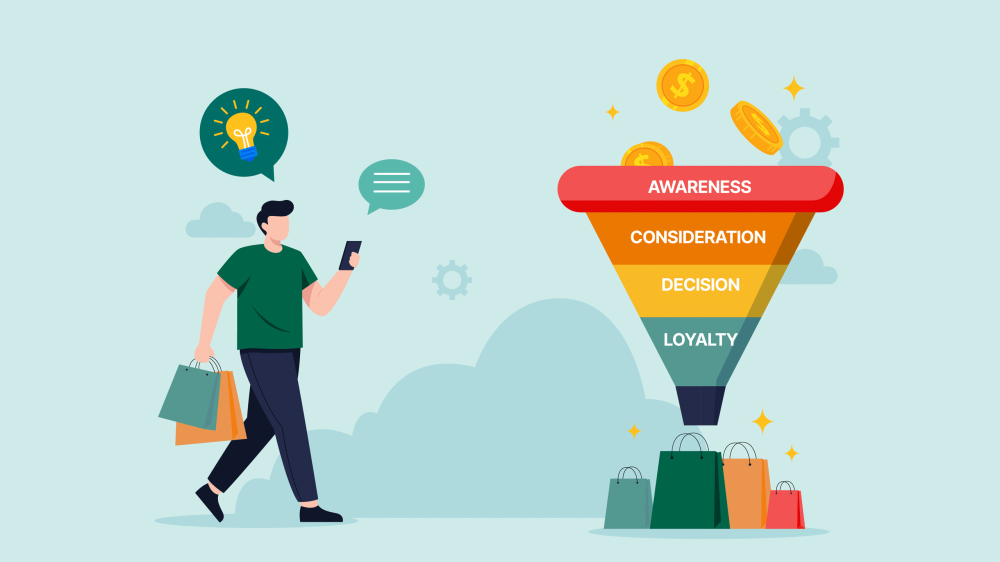
A marketing funnel represents the steps someone takes from the moment they discover your brand to the day they buy from you and become a loyal fan. While funnels can be drawn with fancy software and complex charts, the underlying concept is simple: you are guiding a person through a thoughtful, relationship-building conversation.
An opt-in page is a standalone web page or form created for one specific purpose: to invite a visitor to share their contact details in exchange for something valuable, like a free resource, a newsletter subscription, or an event ticket.
Mapping your opt-in page means you know answers to three simple questions before a single person visits your page:
- Where did this visitor come from, and what were they looking for when they arrived?
- What specific promise does this page make to solve their immediate need?
- What exact conversation, email sequence, and offer will they experience right after they click submit?
When these pieces align, the opt-in page stops being a random signup box. It becomes the official transition point between someone casually browsing your content and someone actively entering your private business ecosystem.
The Four Stages of a Healthy Marketing Funnel
To see where your opt-in page fits, it helps to look at the four core stages of a customer journey. Each stage requires a different tone, a different level of detail, and a specific goal.
1. Top of Funnel: Awareness and Discovery
At this stage, people might not know your brand yet. They found you through a search engine result, an Instagram video, a LinkedIn post, a referral, or a helpful article on your blog. They have a question or an annoying problem, and they are looking for quick clarity. Your opt-in page sits right at the bottom edge of this stage. It acts as the bridge that invites them out of the public square and into your community.
2. Middle of Funnel: Consideration and Relationship Building
Once a visitor fills out your form, they enter the middle of your funnel. They have given you permission to reach their inbox. This is where you deliver on your promise, share your story, show your expertise, and build genuine rapport. You are not pushing aggressive sales pitches here; you are helping them understand their challenge and showing them that your perspective makes sense.
3. Bottom of Funnel: Conversion and Sales
After you have proven that you understand their needs and can offer genuine value, you introduce your primary solution. This could be a paid digital product, a coaching package, a physical product, a software tool, or an ongoing consulting service. Because your earlier emails laid the groundwork, this offer feels natural rather than disruptive.
4. Post-Purchase: Retention and Advocacy
The funnel does not stop when someone buys. Happy customers become repeat buyers and recommend your work to others. Automated onboarding emails, check-ins, and exclusive resources keep those relationships strong for months and years to come.
Step 1: Align Your Traffic Source with Page Intent
The first breakdown in most funnels happens before the reader even reads the headline on the opt-in page. It happens when there is a mismatch between the link they clicked and the page they land on.
Imagine clicking a social media post that promises “Three simple steps to write better subject lines,” but the link takes you to a generic homepage with five different menu bars, an “About Me” tab, and a general newsletter signup that says “Join our mailing list.” Most people will click away within five seconds because finding what they were promised feels like work.
To map your page properly:
- Maintain message match: The main headline of your opt-in page should echo the exact language, hook, or problem you discussed in the social post, ad, or guest article that brought them there.
- Remove navigation menus: A dedicated opt-in page should have one goal. Do not include website navigation menus, sidebars, or unrelated links that invite people to wander off.
- Keep the visual style consistent: If your post or ad used clean, minimal visuals, your landing page should carry the same calm look and feel so visitors feel confident they landed in the right spot.
Creating this consistency reassures the visitor that they are in the safe, reliable place they intended to visit.
Step 2: Choose an Opt-in Offer That Bridges Directly to Your Paid Product
A common trap is creating a freebie simply because you feel you need one. You might write a broad checklist on productivity, even though your actual paid business offer is specialized accounting for freelancers. You will end up with hundreds of subscribers who wanted productivity tips, none of whom will ever hire you to manage their books.
Your opt-in offer must solve a very small, specific part of the exact problem your paid product solves completely.
Consider these natural pairings:
- If you sell a comprehensive fitness course: Offer a 3-day meal prep checklist or a simple workout planner.
- If you offer high-ticket consulting: Offer a short diagnostic assessment or invite them to register through a tailored webinar landing page where you unpack a single case study.
- If you sell a digital template or software: Offer a free starter version, a cheat sheet, or a video walkthrough showing how to fix a single frustrating task.
When your free gift directly addresses the first hurdle of their journey, your subscriber naturally looks to you for the next step.
Step 3: Design the Page for Clarity and Low Friction
An opt-in page does not need complex interactive widgets or long paragraphs of flowery text. In fact, simpler pages almost always convert better because they make the value clear at a single glance.
Here is what an effective opt-in page needs:
- A clear, benefit-driven headline: State exactly what the visitor gets and the positive outcome it brings them.
- Two or three supporting bullet points: Highlight the practical takeaways without overwhelming the reader.
- A clean, distraction-free input field: For most general lead magnets, asking for a first name and an email address is plenty. Every additional field you add reduces the percentage of people who complete the form.
- A reassuring call to action button: Use active, outcome-focused language on your button. Instead of “Submit,” use “Get the Free Guide” or “Send Me the Checklist.”
- A simple privacy reassurance: A quiet note mentioning that you respect their privacy and will never send spam puts cautious readers at ease.
If you already have a website, you can place embeddable forms inside relevant blog posts or use gentle popups for readers who show interest. If you do not have a website, standalone landing pages give you a focused URL you can share anywhere.
Step 4: Turn the Thank-You Page into a Meaningful Bridge
The moment a user clicks your submit button is the moment their attention is highest. Sadly, most businesses waste this golden minute by showing a generic message that says: “Thanks for subscribing. Check your inbox.”
Your thank-you page is the first actual touchpoint inside your funnel. Use it intentionally:
- Confirm the action: Reassure them that their request went through and that their resource is on its way to their inbox right now.
- Give clear instructions: Tell them to check their spam or promotions folder if they do not see the email within two minutes, and suggest adding your address to their primary contacts.
- Offer an immediate next step: While they wait, you can introduce a short video introducing yourself, invite them to read a foundational article on your site, or offer a low-cost starter product that complements the free download.
Treating the thank-you page as a purposeful milestone keeps the conversation flowing without any awkward silences.

Take Your Emails to the Next Level
MailDrip helps you automate your outreach, nurture leads, and grow your brand with ease. Send the right message at the right time—without the stress.
Sign Up FreeNo Card Required
Step 5: Connect an Automated Drip Sequence
Collecting an email address is only the handshake. The automated email sequence that follows is where the real relationship begins.
Too many creators send the freebie in an initial email and then stay silent for three weeks until they have a new product to pitch. By that time, the subscriber has forgotten who you are and why they signed up, leading to high unsubscribe rates and spam complaints.
An automated drip sequence solves this by delivering a pre-written, timed series of emails that welcomes the subscriber, teaches them something useful, and introduces your work.
Here is a simple five-part structure you can implement:
Email 1: Instant Delivery and Warm Welcome
Send this immediately after they sign up. Deliver the download link clearly at the very top of the email. Keep the message friendly and brief, explain what kind of emails you send, and tell them how often you plan to write.
Email 2: The Core Philosophy or Story
Send this one or two days later. Share a brief story about why you started your business or the biggest mistake you see people making in your field. This humanizes your brand and builds genuine empathy.
Email 3: High-Value Practical Teaching
Send this two days after the second email. Teach a single, actionable tip that helps them make progress right away. When people experience a small win from your advice, their trust in your expertise skyrockets.
Email 4: Addressing the Bigger Problem
Send this two days later. Help your reader realize that while the free resource helped them get started, solving the broader issue requires a more comprehensive approach. Point out the common obstacles they will face next.
Email 5: The Invitation
Introduce your paid solution, whether that is a course, service, or product. Explain clearly who it is for, what it includes, and how it helps them achieve their goals faster. Because you spent the prior four emails proving your value, this invitation feels helpful rather than pushy.
By mapping this automated flow in your platform, every new subscriber gets the same high-touch experience without requiring you to manually write and send emails every day.
Step 6: Use Smart Rules and Segmentation
Not every subscriber who signs up for your list has the exact same background, budget, or interests. If you send the exact same messages to everyone, your engagement will drop over time.
Mapping your opt-in page to your funnel works best when you use segmentation rules:
- Tag by interest: If you run multiple opt-in pages—one for beginners and one for advanced users—tag subscribers automatically based on which page they used.
- Route with custom fields: Ask a single qualifying question on select forms, such as “What is your biggest business goal this year?” Use their answer to send them down the email sequence most relevant to their answer.
- Exclude current customers: When running an email sequence that promotes a specific product, make sure existing buyers of that product are automatically filtered out so they do not receive sales pitches for items they already own.
Simple segmentation keeps your communications relevant, your open rates high, and your readers feeling understood.
How MailDrip Simplifies Funnel Mapping
Connecting all of these moving parts can easily feel overwhelming if your marketing platform is bloated with confusing menus and enterprise complexity. Many creators find themselves spending more time troubleshooting integrations and writing code than actually talking to their audience.
This is why MailDrip was built differently. Originating in Yaba, Lagos, through Charisol Limited, MailDrip was designed specifically for creators, personal brands, solopreneurs, and small business owners who want powerful email marketing without unnecessary hurdles.
Everything you need to map your opt-in page to a working funnel is built directly into the system:
- Built-in Landing Pages and Forms: You do not need an expensive third-party website builder. MailDrip provides clean, standalone landing pages, embeddable forms, and popups that look modern and load fast.
- Seamless Email Sending via Gmail and Google Workspace: You can connect your personal Gmail account to send up to 500 emails per day smoothly, or link your Google Workspace business account to reach up to 2,000 emails per day directly through your dashboard. This removes the need for complicated third-party SMTP server setups.
- Intuitive Drip Sequences: Setting up automated nurture sequences is straightforward. You can write your emails in a clean, distraction-free editor and schedule them to send at regular intervals.
- Smart Rules and Built-in A/B Testing: Automatically segment your contacts based on their opt-in source and form answers. You can also test different headlines and page layouts to see which version converts best.
- Straightforward, Fair Pricing: You do not have to pay large monthly fees before your list is even generating revenue. MailDrip offers a free plan with 1,000 free emails and unlimited contacts, alongside Pay As You Go (PAYG) credit options so you only pay for what you actually use. You can explore the full breakdown on the pricing page.
- Helpful Human Support: If you ever get stuck while connecting your funnel, you can reach out for 24/7 support via chat, email, or WhatsApp and speak directly with real humans who want to help your business grow.
To see all the available tools in one place, take a look at the full list of features.
Common Mistakes to Avoid When Connecting Your Opt-in Page
Even experienced marketers occasionally make mistakes that cause their funnels to leak subscribers. Keep an eye out for these frequent pitfalls:
- Promising too much in the lead magnet: A 90-page ebook often overwhelms readers. People download it with good intentions, leave it in their downloads folder, and never read it. A concise, practical 2-page checklist or a 10-minute video is easier to consume and provides immediate satisfaction.
- Failing to test your own funnel: Always sign up through your own opt-in page using a secondary email address before sharing it publicly. Check if the redirect works, verify that the first email arrives immediately, and read through the sequence on your phone to make sure formatting looks clean.
- Ignoring mobile visitors: More than half of your audience will likely view your opt-in page on a mobile device. Ensure your text is easy to read without zooming, buttons are easy to tap, and forms do not get hidden behind popups.
- Writing irregular follow-ups: Automations are wonderful, but you also want to keep your list warm once the initial sequence ends. Sending a consistent weekly or bi-weekly email keeps your subscribers engaged over the long term.
Frequently Asked Questions
What makes an opt-in page different from a standard website homepage?
A standard homepage has multiple purposes. It introduces your company, links to different services, shares case studies, and provides contact details. An opt-in page has only one goal: getting permission to send relevant information to the visitor’s inbox. By removing extra navigation menus and competing links, an opt-in page focuses all attention on a single decision, resulting in much higher conversion rates.
How long should my post-opt-in email sequence be?
For most creators and digital businesses, a sequence of four to six emails sent over the course of seven to twelve days works well. This provides enough space to deliver your free resource, introduce yourself, provide genuine value, and share your offer without fatiguing the reader. Once they complete that initial sequence, they can naturally move into your regular weekly newsletter schedule.
Do I need a full website to start using opt-in funnels?
No. You do not need a WordPress site or an expensive web hosting plan to build an audience. Platforms like MailDrip provide standalone landing pages that you can customize and publish directly. You can link your page in your social media bios, share it in community forums, or send it directly to prospects in conversations.
What is considered a healthy conversion rate for an opt-in page?
Opt-in page conversion rates vary depending on your industry and traffic quality. For warm traffic (people who already follow you or read your blog), conversion rates between 20% and 40% are common. For cold traffic coming from ads or search results, a conversion rate between 10% and 25% is generally considered solid. If your conversion rate is below 10%, review your headline, simplify your form fields, and verify that your offer matches what your audience actually needs.
How soon should the first automated email arrive after signup?
The first email should arrive within seconds. When a visitor submits their details, they are actively waiting for the download or confirmation link. If that email takes thirty minutes to arrive, their attention moves elsewhere, and your email may be overlooked when it finally lands in their inbox.
Building an opt-in page is one of the most rewarding steps you can take for your brand, but only when you know where that page is leading your audience. When your traffic matches your headline, your free resource prepares readers for your paid offer, and your automated emails build trust on autopilot, your marketing stops feeling like guesswork and starts working as a steady engine for your business.
If you are ready to put this into practice, you can set up your first opt-in page, link your automated sequence, and launch your funnel with MailDrip in just an afternoon.
Looking at your current marketing efforts, what is the single biggest question or hurdle keeping your new subscribers from turning into long-term, paying supporters?