Setting up a digital product or service online can feel overwhelming when you are trying to decide where to send your visitors. People throw around marketing terms like “landing page,” “sales page,” “squeeze page,” and “opt-in funnel” as if they all mean the exact same thing.
Using the wrong type of page for the wrong goal can hurt your business growth. If you send paid traffic or social media followers to a page that asks for a purchase right away, visitors often get overwhelmed and leave. On the other hand, sending someone who is ready to buy to a page that only asks for an email address means missing out on real revenue.
Understanding the difference between a sales page and a landing page is one of the most practical skills you can learn as a creator, solopreneur, or business owner. It allows you to build a smooth journey for your audience, guiding curious readers into subscribers, and subscribers into happy paying customers.
What is a Landing Page?
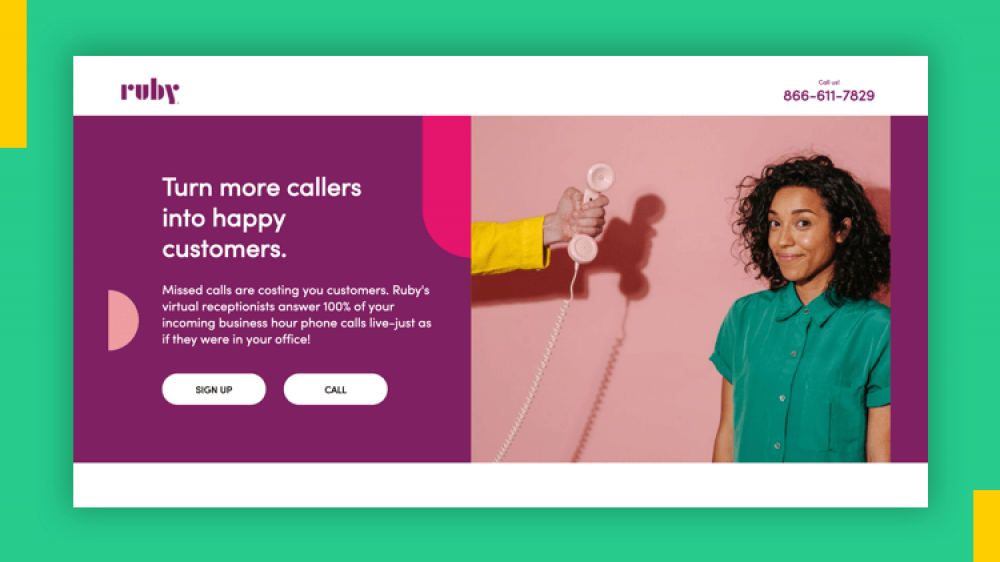
A landing page is a standalone web page created for a single, focused action. In simple terms, it is a page where a visitor “lands” after clicking a link in an email, a social media post, or an online advertisement.
Unlike a standard website homepage that features dozens of links, navigation menus, and articles, a landing page strips away every unnecessary distraction. It gives the reader one simple path to take.
In most cases, the main goal of a landing page is lead generation—collecting a visitor’s name and email address in exchange for something valuable.
Traffic Source (Ad/Social) ---> Landing Page ---> Lead Captured (Email List)
Common Types of Landing Pages
- Lead Magnet Pages: A page offering a free downloadable item, such as an ebook, a checklist, a cheat sheet, or a template.
- Webinar Registration Pages: A page designed to get visitors to sign up for a live workshop or online class. A dedicated webinar landing page keeps the reader focused purely on securing their seat.
- Waitlist Pages: A simple setup used to collect emails before launching a new product, service, or membership community.
- Newsletter Opt-In Pages: A straightforward page explaining the benefits of receiving your regular updates and articles.
Core Features of a Landing Page
- Single Call-to-Action (CTA): There is only one thing to click or fill out on the page.
- Short and Direct Copy: The headline and text get straight to the point, explaining what the visitor gets and why it helps them.
- Minimalist Design: Header navigation bars, footers with extra links, and sidebars are removed so the visitor remains focused on the sign-up form.
- Low Friction: Asking for an email address requires very little risk from the visitor, so the page does not need thousands of words to convince them.
Learning how to build a landing page that converts for digital products comes down to making the value clear and the sign-up process effortless.
What is a Sales Page?
A sales page is a specialized type of landing page built with one specific purpose: closing a purchase. Money changes hands through a sales page.
While every sales page is technically a landing page (because traffic lands on it), not all landing pages are sales pages. A sales page asks for a much higher level of commitment from the visitor—their hard-earned money.
Because spending money requires trust, a sales page must work much harder than a free lead capture page. It acts as your digital sales representative, answering questions, addressing hesitations, showing proof, and explaining why your offer is worth the investment.
Warm Visitor ---> Sales Page ---> Purchase Completed (Revenue)
Key Elements Found on an Effective Sales Page
- A Problem-Solving Headline: Catches immediate attention by highlighting a pain point your target customer experiences.
- Detailed Offer Breakdown: Clearly explains what is included, such as course modules, digital files, consultation hours, or physical goods.
- Social Proof and Testimonials: Features real reviews, case studies, or video testimonials from happy customers to prove that your offer delivers results.
- Objection Handling: Answers common concerns directly on the page, such as “How long do I have access?” or “Is this right for beginners?”
- Transparent Pricing Tiers: Shows single-payment options, payment plans, or package choices clearly without hidden costs.
- Risk Reversal: Offers guarantees, such as a 30-day money-back policy, to help the buyer feel safe with their decision.
Whether you are learning how to sell digital products in Nigeria or offering a coaching service to clients around the world, your sales page carries the heavy lifting of turning interest into sales.
Sales Page vs Landing Page: Main Differences Defined
To help you see how these two pages compare, let us break down their key differences across five core areas.
1. The Primary Purpose
- Landing Page: The goal is lead capture. You want to start a relationship with a visitor by getting their contact information.
- Sales Page: The goal is revenue generation. You want the visitor to make a financial purchase right away.
2. The Level of Commitment Requested
- Landing Page: Asks for a low commitment. Handing over an email address in exchange for a useful free resource takes just a few seconds and carries no financial risk.
- Sales Page: Asks for a high commitment. Entering credit card details requires trust, confidence, and a clear understanding of the value being purchased.
3. Copy Length and Page Depth
- Landing Page: Usually short and conciseness-driven. Visitors can read the page in 30 seconds and decide if they want the free offer.
- Sales Page: Usually long and detailed. It must guide the reader through their problem, present the solution, prove that it works, and address doubts before asking for payment.
4. Target Audience Readiness
- Landing Page: Designed for cold or warm traffic. People who have just discovered your brand on social media or search engines are great candidates for a helpful landing page.
- Sales Page: Designed for warm or hot traffic. People who already know your brand, trust your experience, or have received helpful emails from you are far more likely to buy on a sales page.
5. Call-To-Action (CTA) Focus
- Landing Page: Uses low-pressure actions like “Download Free Guide,” “Get the Checklist,” or “Reserve My Seat.”
- Sales Page: Uses transactional actions like “Buy Now,” “Get Instant Access,” or “Enroll Today.”
Summary Comparison
Landing Page At a Glance:
- Goal: Collect email leads
- Offer: Free download, newsletter, or webinar
- Visitor State: Cold or warm traffic
- Length: Short and direct
- CTA: “Download Now” or “Sign Up”
Sales Page At a Glance:
- Goal: Complete a transaction
- Offer: Digital product, course, service, or physical item
- Visitor State: Warm or hot traffic
- Length: Moderate to long
- CTA: “Buy Now” or “Add to Cart”
How Landing Pages and Sales Pages Work Together in Your Funnel
You do not have to choose between a landing page and a sales page. In a healthy marketing setup, they work together as a continuous pipeline.
Here is an example of how both pages fit into a simple, automated customer journey:
Step 1: Social Media Post / Ad
   │
   ▼
Step 2: Landing Page (Offers Free Lead Magnet)
   │
   ▼
Step 3: Automated Email Drip Sequence (Nurtures & Builds Trust)
   │
   ▼
Step 4: Sales Page (Presents Paid Offer)
   │
   ▼
Step 5: Customer Purchase
Discovery: A prospective customer finds your content on social media or through a search result.
Lead Capture: You direct them to a landing page offering a practical free resource. They sign up with their email address.

Take Your Emails to the Next Level
MailDrip helps you automate your outreach, nurture leads, and grow your brand with ease. Send the right message at the right time—without the stress.
Sign Up FreeNo Card Required
Lead Nurturing: Instead of selling to them immediately, you send them a short sequence of helpful emails using an automated email automation workflow. You share tips, solve quick problems, and demonstrate your knowledge.
The Pitch: Once your subscriber trusts your expertise, an email invites them to view your premium product or service.
The Sale: The link in your email takes them directly to your detailed sales page, where they complete the purchase.
By capturing leads on a simple landing page first, you build an audience of people who want to hear from you. Selling to an email list that knows you yields far higher conversion rates than sending cold traffic directly to a sales page.
Building Pages and Funnels Without Technical Stress
Many creators, solopreneurs, and small business owners delay launching their offers because the technical side feels daunting. Setting up complex funnel software, managing hosting accounts, and stitching together separate apps can quickly take the joy out of building a business.
At MailDrip, we believe email marketing and lead generation should empower your business, not slow you down. Born out of Charisol Limited in Yaba, Lagos, MailDrip was built with a simple approach: giving you the essential tools to build your audience and generate revenue without unnecessary clutter.
Here is how MailDrip makes setting up your lead capture system simple and stress-free:
- Landing Pages & Opt-In Forms Out of the Box: You do not need a website to start gathering leads. MailDrip gives you clean landing pages and opt-in forms ready to launch right away.
- Automated Drip Sequences: Easily create email sequences that welcome new subscribers, share value, and pitch your offers automatically.
- Flexible Gmail Connectivity: Connect your personal Gmail account directly to send up to 500 emails per day, or connect a business workspace to send up to 2,000 emails daily directly from your dashboard.
- Simple Pricing: Start with our free plan offering 1,000 emails and unlimited contacts. When you grow, pay only for what you send with our flexible Pay As You Go option. Explore our straightforward choices on our pricing page.
Whether you are figuring out how to create a landing page for affiliate marketing or nurturing leads for your digital downloads, having simple tools lets you focus on creating great messages instead of fighting software.
Explore everything you can build on our features page or read more tips on the MailDrip blog.
Frequently Asked Questions (FAQs)
Do I need a full website to launch a landing page or sales page?
No, you do not need a complex website with multiple pages. You can launch standalone landing pages using built-in marketing tools like MailDrip or dedicated page builders. This lets you collect leads and accept sales right away without paying for expensive web development.
Can a landing page also feature a product checkout?
Yes. A page that focuses on selling a product is simply a specialized form of landing page called a sales page. As long as the page retains a single call-to-action—making a purchase—it fulfills both definitions.
Which page should I create first if I am just starting out?
If you are starting from zero with a small or new audience, focus on creating a lead capture landing page first. Building an email list gives you a direct line of communication with potential customers. Selling directly to cold visitors who do not know your brand yet can be difficult and costly.
How long should copy on a sales page be?
The length depends on the cost of your offer and the level of trust you have built. Higher-priced products or services require longer sales copy to address questions and show proof. Lower-priced items sold to warm email subscribers usually need much shorter sales pages.
Turning Visitors into Lasting Relationships
Knowing when to use a landing page and when to use a sales page clears away much of the confusion in online marketing. A landing page opens the door by turning casual visitors into connected email subscribers. A sales page closes the loop by turning interested subscribers into paying buyers.
When you connect both pages using clean email sequences, you create a natural pathway for business growth.
If you are ready to stop struggling with overcomplicated software and want a clean way to build landing pages, collect leads, and send automated emails, create your account on MailDrip today. You can also read more about our story on our about us page.
Now that you understand how both pages work together, which one does your business need to build next—a landing page to capture new leads, or a sales page to offer your latest product?